
 Jyfil Pgeoy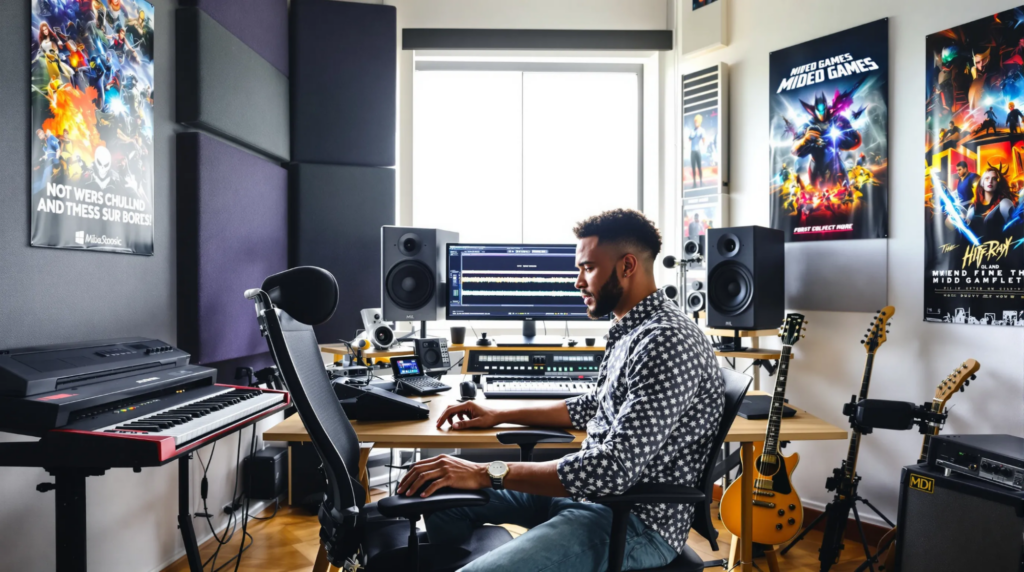
Video Game MIDI: The Soundtrack of Gaming History
We all have that one game that transports us back to our childhood, right? Remember the tunes that played in the background? Those catchy melodies weren’t just there for ambiance, they were created using MIDI, or Musical Instrument Digital Interface. In this text, we’re diving into the vibrant world of video game MIDI, exploring its significance and how it shapes our gaming experiences. Who knew that tech could sound so good? Let’s get started.
What Is MIDI and Its Importance in Video Games?
MIDI stands for Musical Instrument Digital Interface, and that’s a fancy way of saying it’s a protocol that allows electronic musical instruments to communicate with computers and each other. In the context of video games, MIDI creates an incredible soundscape without requiring massive file sizes. Think of it as the digital sheet music that tells your gaming soundtracks how to feel.
Why is MIDI important? Well, it’s capable of controlling various sound-generating devices, meaning that the possibilities are virtually endless. Imagine being able to change instruments, effects, or even notes on-the-fly. Because of MIDI, games can deliver dynamic audio that reacts to gameplay, adding layers of immersion. It’s no wonder that developers have embraced this technology as a mainstay in gaming soundtracks.
How MIDI Revolutionized Game Music
Before MIDI stepped onto the scene, video game music was pretty basic. The tunes were short, repetitive, and often limited by the hardware capabilities of the time. But once MIDI came along, everything changed. Suddenly, developers could carry out rich orchestrations and realistic instrument sounds.
Want to know how it all began? Early video games employed simple sound chips that had a tiny palette of sounds. With MIDI, composers could create complex music without the constraints of these chips, enriching the gaming experience. Just think about iconic games like Final Fantasy and The Legend of Zelda: they brought epic scores that stick in our minds long after we’ve put down the controller.
MIDI allowed composers to explore new genres, instruments, and arrangements, offering a more artistically fulfilling experience. As a result, we found ourselves humming those catchy tunes even long after the credits rolled.
Popular Video Game MIDI Formats and Uses
MIDI files come in several formats, each with its unique strengths. The most common are Standard MIDI Files (SMF), which we often see with a .mid extension. These files are universal, making them easy to use across different systems. Also, we have General MIDI (GM), which standardizes how instruments sound, ensuring every player experiences the music as intended.
Another popular use of MIDI is in remixes and fan-made tracks. With software like FL Studio or Ableton, we can import MIDI files and remix them to our taste. This flexibility has fostered a thriving online community of creators who reinterpret our beloved game scores, breathing new life into classics. It’s a win-win: we get new interpretations and composers gain exposure while honing their craft.
Creating Your Own Video Game MIDI Music
For those of us eager to create our own video game music, the good news is that tools have never been more accessible. We can start with free software like MuseScore or GarageBand, as they offer user-friendly interfaces and a range of tutorials. Learning MIDI composition can be incredibly rewarding, allowing us to express our creativity while paying homage to our favorite games.
We can compose music not only for hypothetical games but also for mods or indie titles. With so many resources and communities dedicated to sharing tips, tricks, and feedback, launching our own MIDI project feels less daunting than ever before. Just remember: the beauty of MIDI is in experimentation, so let our creativity run wild.
The Future of MIDI in Gaming
As technology continues to advance, so too does the future of MIDI in gaming. We already see improvements in virtual instrument rendering, making MIDI sound more realistic than ever. Also, with the rise of virtual reality and immersive environments, the music needs to adapt accordingly, enter adaptive MIDI.
This concept allows soundtracks to evolve based on player interaction. Imagine being in an intense gameplay moment and the music shifting dynamically according to your actions. This innovation could redefine how we experience video games altogether, putting us at the center of our own personalized soundtracks.