 Elyum Jniye
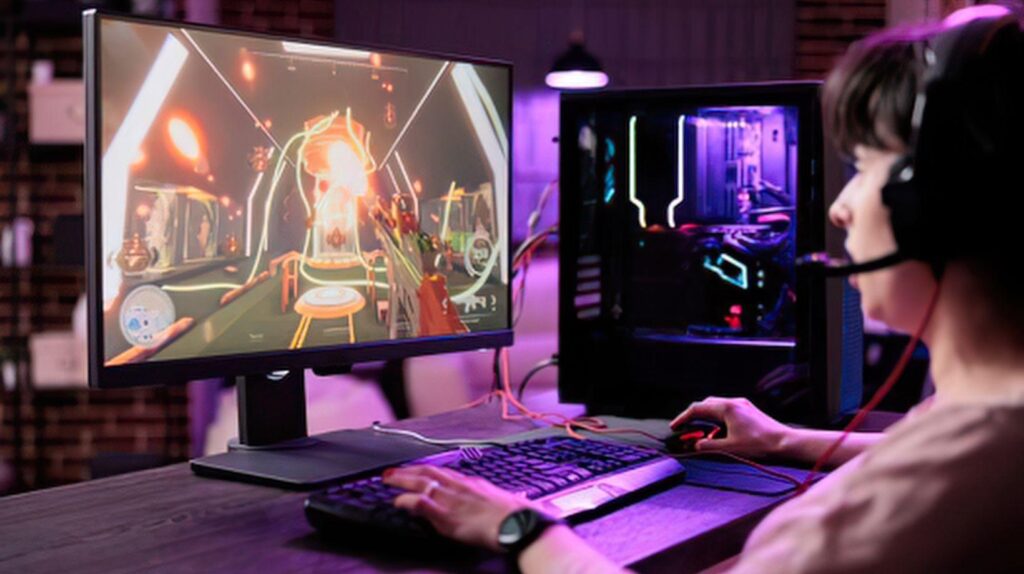
When November arrives in Canada, evenings start early and stay long. In Toronto, daylight shrinks to about nine hours around the December solstice, and in Edmonton it drops below eight. It is no surprise that many of us spend more time gaming in winter. A good session is a great way to unwind, but long dark evenings also make it easy to lose track of time, sleep and spending. Whether your nights belong to a roguelite run, a ranked climb or a few rounds on Aerobet, a simple routine keeps play enjoyable all season. Here is a practical framework built around time, body, money and mood.
Plan Sessions Instead of Drifting Into Them
The most common problem is not gaming itself but unplanned gaming. You sit down “for one run” after dinner and look up at 1 a.m. Planning sessions does not mean scheduling every minute. It means deciding roughly when you start, when you stop and what you want from the evening.
A useful trick is to define a session by a goal instead of a clock. “Finish this dungeon”, “play three ranked matches” or “try the new seasonal event” gives you a natural stopping point. Roguelites are tricky here, because every run ends with the temptation of “just one more”. Decide before you start how many runs you will play, and stop after the last one even if it went badly. Your next session will start fresh and focused.
Technology can support the plan instead of working against it. Set a gentle alarm on your phone for the planned end time, or use the parental and family tools built into Xbox, PlayStation, Nintendo Switch and Windows, which also work for adults who want reminders. If you play with friends, agree on a start and end time in the group chat. Co-op nights with a shared finish are easier to keep, because nobody wants to be the one who holds the team back by staying on too late.
|
Time of evening |
Suggested focus |
Why it helps |
|
Right after work |
Light, social or short games |
Bridges the switch from work to free time |
|
Mid-evening |
Your main session with clear goals |
Peak energy for demanding or competitive play |
|
Last hour before bed |
Calm games, reading or no screens |
Lets the brain wind down for sleep |
Look After Your Body During Long Sessions
Gaming is sedentary by nature, and winter makes it worse because outdoor activity drops. Canada’s 24-Hour Movement Guidelines recommend that adults get at least 150 minutes of moderate to vigorous physical activity per week and limit long periods of sitting. You do not need to train like an athlete to benefit. Short movement breaks between matches or runs already make a difference.
Your setup matters too. Position the screen at eye level, keep your wrists neutral and use a chair that supports your lower back. The 20-20-20 rule helps tired eyes: every 20 minutes, look at something about 20 feet away for 20 seconds. Keep water on the desk instead of a second energy drink, and eat a real meal before a long session rather than snacking through it.
A few quick habits fit naturally between matches:
- Stand up and stretch during loading screens, queues or between runs.
- Refill your water every hour, which also forces a short walk.
- Do ten squats or a few minutes of mobility work after a frustrating loss, which also resets your mood.
- Step outside for daylight on weekends, even for fifteen minutes, since winter light is scarce.

A winter evening in Toronto. Long nights make it easy for gaming sessions to stretch later than planned. Image: VV Nincic from Toronto, Canada, CC BY 2.0, source: Wikimedia Commons.
Protect Your Sleep
Sleep is where most winter gaming routines break down. Late sessions push bedtime back, screens keep the brain alert, and competitive games raise adrenaline at exactly the wrong moment. The result is a tired morning, a sluggish workday and a stronger urge to play late again the next night.
Set a firm “last match” time, ideally an hour before you plan to sleep. Switch on your device’s night or warm color mode in the evening, and keep the last hour for calmer activities. If you play on a phone in bed, move charging to another room for a week and see how your sleep changes. Most players who try this report falling asleep faster, and their reaction times in the evening improve as well.
Budget Time and Money Together
Winter often brings more spending as well as more playing. Seasonal sales, battle passes, holiday bundles and in-game currency all compete for your wallet. Real-money entertainment adds another layer. Aerobet, an online casino and sportsbook with a Canadian version, offers slots, live dealer tables, crash games and sports betting, and online live tables like these often run around the clock, which means there is always another round available on a dark evening. That is precisely why limits matter.
A simple monthly entertainment budget covers everything: new games, subscriptions, in-game purchases and any real-money play. Decide the amount at the start of the month, track it in a note or spreadsheet and stop when it is used up. For casino and betting entertainment, set the budget before you log in, never chase losses and use any deposit or session limits your account provides. Keep in mind that the legal age is 18 or 19 depending on your province, and that free, confidential support services exist in every province if play stops feeling like fun.
Warning Signs Worth Taking Seriously
Healthy routines also mean noticing when something shifts. These signs suggest it is time to step back and reset:
Manage Your Mood in the Dark Months
Short days affect mood for many Canadians. The Canadian Mental Health Association estimates that roughly 2 to 3 percent of Canadians experience seasonal affective disorder in their lifetime, and many more notice milder winter blues. Gaming can be a healthy comfort during these months, especially when it connects you with friends. It can also become a way to avoid everything else.
Balance helps. Mix solo sessions with co-op nights, Discord calls or local multiplayer with friends. Plan at least one offline activity each week, such as skating, a walk on a sunny afternoon or a board game night. If low mood lasts for weeks or affects daily life, talk to a doctor. Light therapy and other treatments are widely available and effective.
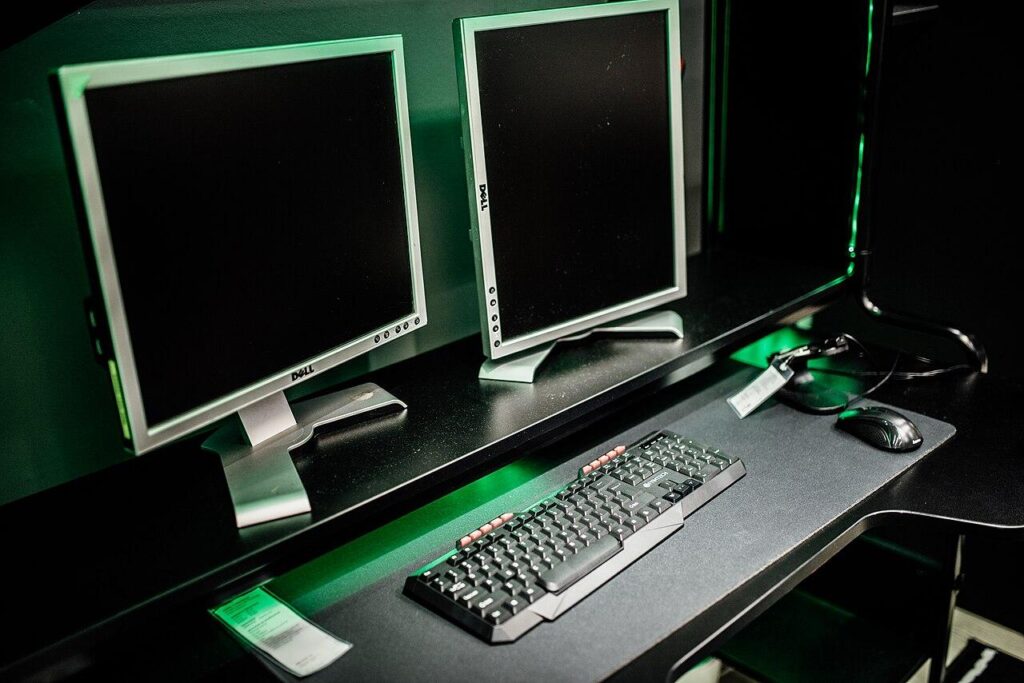
A comfortable desk setup with the screen at eye level reduces strain during longer sessions. Image: Shixart1985, CC BY 2.0, source: Wikimedia Commons.
Make the Routine Your Own
There is no single correct way to game through the winter. A student with flexible hours, a parent with a full-time job and a competitive player training for tournaments will all need different schedules. The principles stay the same: plan sessions with clear goals, move regularly, protect your sleep, keep one budget for all entertainment and watch your mood.
Start with one or two changes rather than all of them. Maybe it is a firm last-match time and a weekly budget. After two weeks, add another habit. Write the changes down somewhere visible, such as a sticky note on the monitor, because a routine you can see is far easier to follow than one you only keep in your head. By the time spring arrives and the evenings grow longer again, you may find that your gaming is more enjoyable, not less, because every session is one you actually chose.