The Quiet Eye Phenomenon: How Elite Athletes Slow Down Time Before the Decisive Shot
 Elyum Jniye
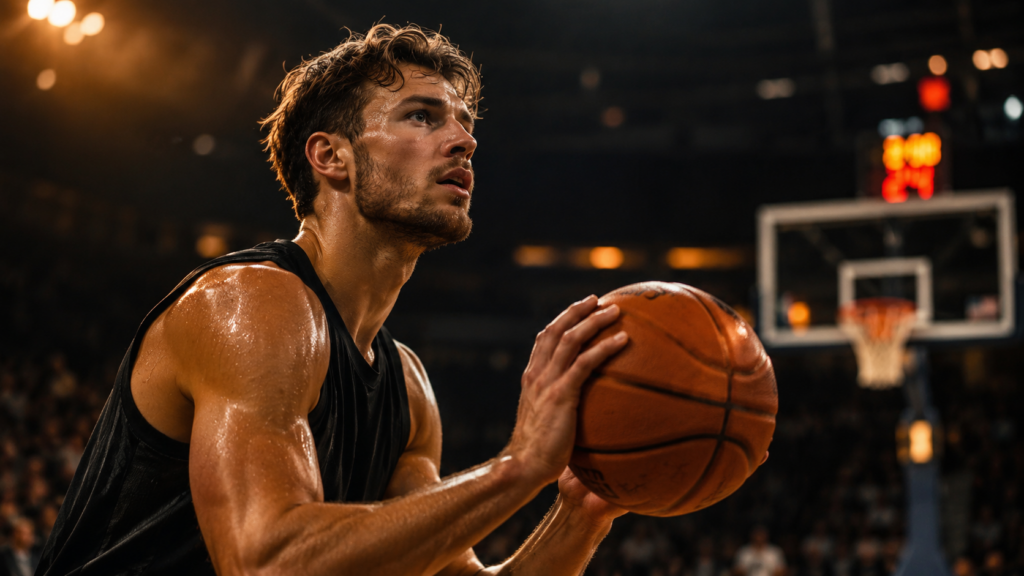
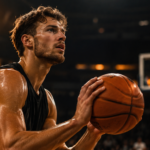
In modern high-performance sports, fractions of seconds and microscopic physiological details often decide between triumph and defeat. While the physical preparation of athletes is perfected, a fascinating neuropsychological factor has moved into the focus of sports science in recent years: the so-called quiet eye phenomenon. This refers to the final, immovable fixation of gaze on a specific target—such as the basketball hoop, the opponent’s goal, or the golf ball—just before a decisive motor movement is initiated. Studies show that world-class athletes fixate their gaze on the target significantly longer and more stably in these crucial moments than amateurs do, thereby shifting their brains into a state of optimal motor control.
The Neurology Behind Ultimate Gaze Stability
To understand why a seemingly banal gaze fixation dramatically increases the success rate, it helps to look at neural processing. When an elite athlete is under massive pressure—such as during a crucial free throw in the closing seconds—and fixates on the target, the visual system minimizes the amount of distractions transmitted to the visual cortex.
In this phase, the prefrontal cortex works at peak performance to precisely match the visual coordinates of the target with the motor programs in the cerebellum. The “quiet eye” acts like a biological anchor: it extends the time window in which the brain plans the movement and shuts out disruptive stimuli such as bright floodlights, cheering spectators, or personal nervousness. Time appears to slow down noticeably for the athlete at this moment because the cognitive processing speed for the upcoming task is maximized.
How to Recognize the Quiet Eye in Professionals
Sports psychologists and biomechanists have intensively measured this phenomenon in recent years, identifying clear differences between amateurs and champions:
- Earlier Onset of Fixation: Elite athletes direct their gaze toward the target well before actually executing the movement, rather than frantically shifting it at the very last second.
- Longer Final Fixation Duration: The duration of the final immovable gaze is significantly longer in professionals—often lasting a few hundred milliseconds, which makes all the difference between a successful shot and a miss.
- Focus on Relevant Details: Instead of scanning the entire field or the opposing goalkeeper as a whole, top shooters focus on a tiny, precise point (such as an exact seam on the basketball or a specific spot on the turf).
- Resilience Under Stress: While inexperienced athletes lose their gaze stability under pressure and let their eyes wander nervously, the quiet eye of champions remains stable even in critical competition situations.
Mental Relief and the Path to Focus
The biggest obstacle to achieving this optimal state is not a lack of training, but mental overload. When an athlete’s mind is flooded with doubts and adrenaline before an important shot, the muscles tense up and gaze stability vanishes.
Experienced athletes therefore use targeted mental routines and breathing techniques to calm their visual system. Instead of frantically overthinking until the very last second, they switch into a tunnel of absolute clarity—whether through consciously blocking out the surroundings or taking a short, relaxing mental break, such as a casual, low-stakes digital distraction at a crypto casino Parimatch, to completely remove performance pressure from their minds. Only when the mind becomes completely still can the gaze also become steady.
What We Can Learn from Professional Focus Strategies
The quiet eye phenomenon is by no means limited to elite sports. This principle can also be applied to a demanding workday, complex presentations, or critical decision-making situations: anyone who pauses for a brief moment before taking an important action, consciously centers their gaze on the essentials, and consistently blocks out visual distractions will make more precise decisions and maintain inner balance.