Enchanting, Loot Rolls, and RNG: What WoW Gear Drops Taught Me About Slot Volatility
 Jyfil Pgeoy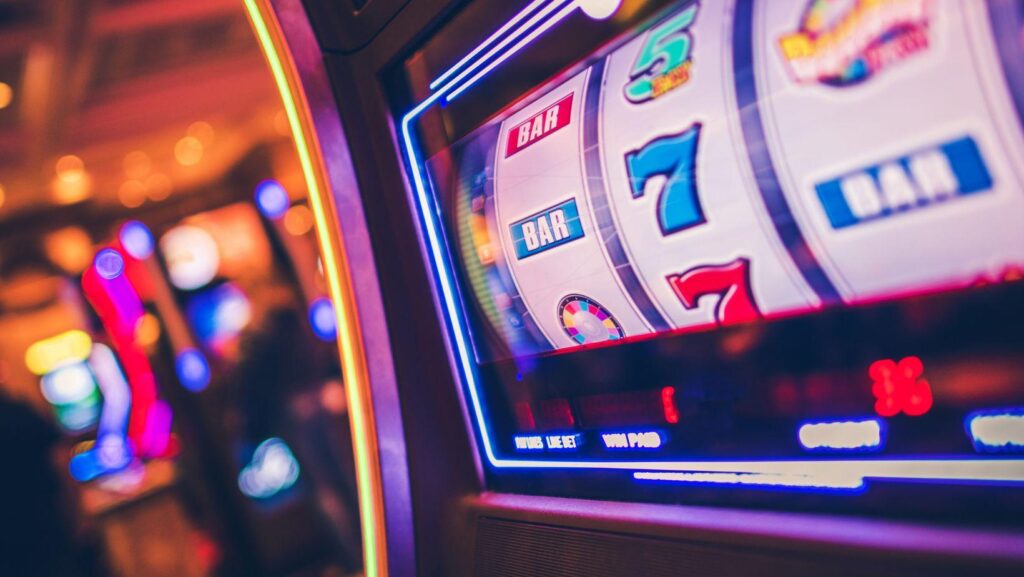
I wiped on Illidan eleven times before the Warglaive dropped. Not because our raid was bad. Because a 1% drop chance doesn’t care how many times you’ve cleared the trash beforehand. Black Temple went live again in BC Classic this month, and watching guildmates chase that same weapon with the same odds got me thinking about something I hadn’t connected before: the math behind a boss loot table and the math behind a slot reel are, structurally, the same animal wearing different skins.
That’s not a throwaway line. It’s the whole article.
Enchanting materials, trinket procs, and tier-set tokens all run on weighted random number generation. So do slot machines. The dressing is different (one gives you a glowing sword, the other gives you a paytable multiplier) but the underlying mechanism, the reason you keep pulling the lever or keep queuing for Raid Finder Wing 2, is identical. Once I started noticing this, I couldn’t unsee it, and it changed how I think about both hobbies.
The trinket that taught me about variance
Ash’tongue Talisman of Insight procs off spell damage with a rate that, over thousands of casts, evens out to a predictable curve. Any one cast, though? Pure noise. You could go fifty casts without a proc and blame the RNG gods, or you could get three in a row and feel like you’re cheating. That’s variance, not luck. The talisman’s long-run behavior is fixed by its underlying proc rate even though any single session looks completely different from the next.
Slot volatility works on the exact same principle, just with a friendlier name attached to it by marketing departments. A high-volatility slot might pay out rarely but big, the way a legendary drop feels rare but seismic. A low-volatility slot pays smaller amounts more consistently, closer to guaranteed Justice Points from a daily quest. Neither is “better.” They’re different variance profiles wrapped around the same random engine, and knowing which one you’re playing changes how you should budget your session.
I’ve sat at slots for twenty minutes and watched the balance barely move, small wins covering small losses, nothing dramatic either direction. That’s low volatility doing exactly what it’s designed to do. I’ve also burned through a deposit in four spins on a high-volatility title before it paid out 40x on the fifth. Same coin, opposite feeling. The Northrend Cup event that just came back around gave me the same whiplash: some runs net nothing, some runs drop a mount on the first try.
Where RTP fits into the loot table analogy
Here’s the piece most players skip past. Return to Player (RTP) is the long-run payout percentage a slot is programmed to return across millions of spins, and it’s published and audited. It’s the equivalent of a boss’s overall drop table odds if Blizzard published them outright (they mostly don’t, though third-party logging sites have reconstructed most of them from enough parses). A 96% RTP slot theoretically returns £96 for every £100 wagered across its full lifetime. That’s not a promise for your session tonight. It’s a statement about the machine’s design over a sample size you will never personally reach.
This is the same reason eleven Illidan kills without a Warglaive isn’t evidence of a rigged instance. Small sample, big variance, correct long-run math. Peer-reviewed research on loot box mechanics backs this up directly: a study published via the National Institutes of Health found that rarer, more variable rewards trigger measurably larger arousal responses and a stronger urge to keep opening more, which is precisely the same variable-ratio reinforcement pattern behind slot machine design. It’s not a coincidence that both systems feel compulsive in the same way. They’re built on the same reinforcement schedule, just regulated very differently depending on which side of the screen you’re on.
For Illinois players who’ve followed that thread far enough to get curious about how actual licensed operators disclose this stuff, the newgamenetwork website runs a state-specific rundown of which platforms are licensed, how they publish RTP figures, and what the withdrawal process actually looks like once you clear a bonus. Worth a look if you’ve ever wondered whether the games you’re chasing loot-box highs from have a real-money cousin worth understanding on its own terms.
Procs, pity timers, and the illusion of control
WoW added something clever over the years: bad-luck protection. Certain drop tables now nudge the odds upward the longer you go without a hit, quietly capping how unlucky you can get. It’s a pity timer, and it exists because Blizzard’s own data showed players rage-quit content when true randomness ran cold for too long.
Casino regulators don’t allow that kind of adjustment on licensed slots. A machine’s RNG has to stay mathematically independent spin to spin, no memory, no pity mechanic, no secret nudge toward a win because you’ve been unlucky for an hour. That’s actually the fairer system in a strict sense (nothing is quietly rigged in either direction) but it’s a harder one to sit with emotionally, because there’s no safety net catching you after a cold stretch. Gambling researchers writing in a paper on arXiv examining loot box engagement point out that the psychological pull isn’t really about the reward itself. It’s about the uncertainty leading up to it. Remove the uncertainty and the hobby stops being interesting, which is exactly why neither WoW nor a slot studio wants to make outcomes predictable, even when they could.
The illusion of control shows up too. Plenty of raiders believe swapping their loot spec, re-rolling need over greed, or running the boss “on reset day” changes their odds. It doesn’t. The RNG doesn’t know or care what day it is. Slot players do the same thing with betting patterns, stopping on a certain reel position, or switching machines after a cold streak. None of it moves the needle. The number generator underneath both systems is blind to superstition, and understanding that is honestly liberating once it clicks.
What actually changes your outcomes (and what doesn’t)
Gear score matters in WoW because item level is a real, additive stat. Grinding smarter (running the raids that drop what you actually need, prioritizing enchants with the best cost-to-value ratio) genuinely improves your character. That’s skill and planning layered on top of randomness.
Slots don’t have that layer. There’s no smarter way to hit the RNG. What you can control is bankroll management: bet size relative to your balance, session length, and picking games whose stated RTP and volatility match what you’re actually looking for. That’s the whole toolkit. Nothing else moves the odds, no matter what forum threads about “hot machines” claim.
Where the two hobbies genuinely diverge is stakes. A wasted WoW raid night costs you time. A wasted slot session costs you money, and that difference is worth sitting with before you draw the comparison too far in the other direction.
FAQ
Is loot box randomness in WoW the same thing as gambling? Structurally, both use random number generators and variable-ratio rewards, which is why researchers study them together. Legally and financially they’re different: WoW loot doesn’t cost real money per pull the way a slot spin does, which is the core distinction regulators focus on.
What does RTP actually measure on a slot machine? RTP is the theoretical percentage of wagered money a slot returns to players over its full lifetime, calculated across millions of spins. It’s audited by licensing bodies but says nothing about what happens in any single session you play.
Does bad-luck protection exist in real-money slots? No. Licensed slot RNGs are required to stay statistically independent from spin to spin, with no pity mechanic adjusting your odds after a cold streak. That’s a deliberate regulatory choice, unlike WoW’s loot tables which do include such adjustments.
Why do rare loot drops feel more exciting than common ones? Variable, rare rewards trigger stronger arousal and reward responses than predictable ones, a pattern documented in loot box research. The same reinforcement mechanism is why big, infrequent slot wins feel more memorable than steady small ones.
Is high volatility better than low volatility in slots? Neither is objectively better. High volatility means rarer, bigger wins with longer dry spells; low volatility means smaller, steadier wins. The right choice depends on your bankroll and how much variance you can tolerate in a session.
Reading the odds either way
Whether you’re staring down a boss table hoping for a legendary or watching reels settle on a paytable, the same math is running underneath. Knowing that doesn’t take the fun out of either hobby. If anything, it makes the wins feel earned rather than mysterious, because you understand exactly why the near-misses sting the way they do.
If you ever do step from the WoW side of this comparison into the real-money side, treat it like its own hobby with its own budget, not an extension of your raid night. Gambling involves risk. Please play responsibly and only wager what you can afford to lose. If you feel gambling is becoming a problem, visit BeGambleAware.org or call 1-800-GAMBLER.
Next time a trinket refuses to proc for the fortieth cast in a row, you’ll at least know exactly why, and that the same stubborn math is sitting behind every reel spin too.